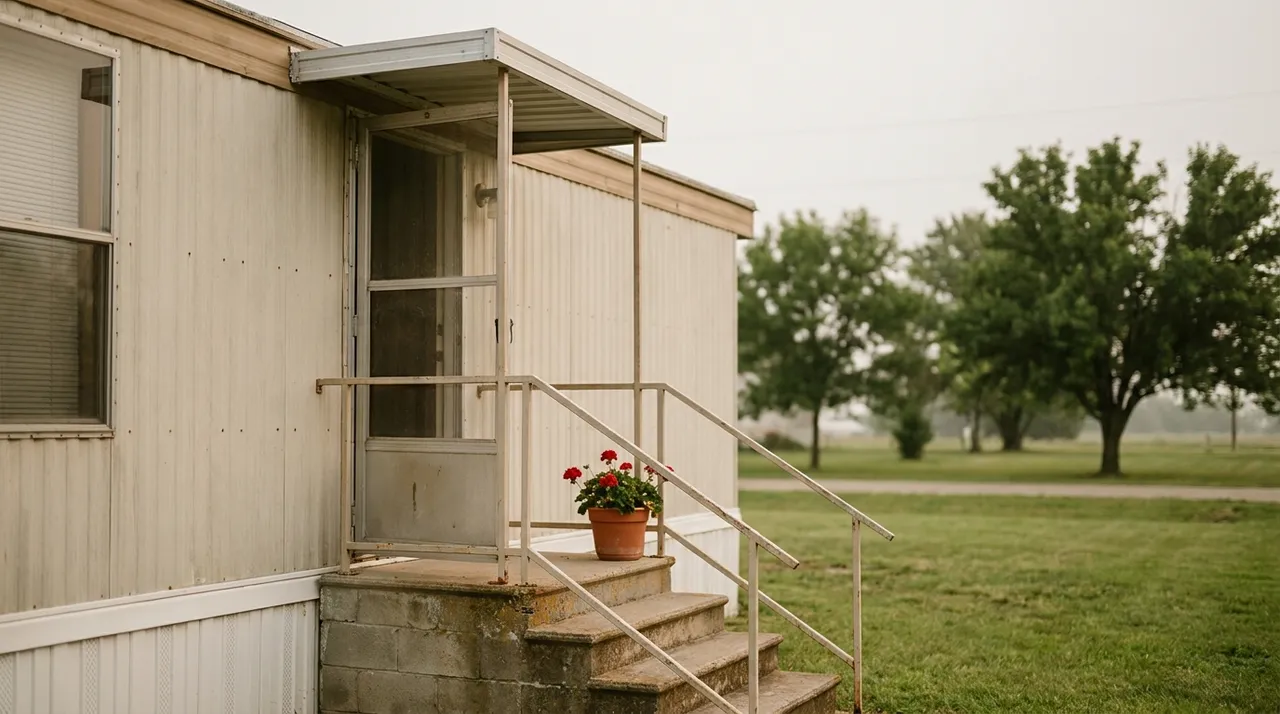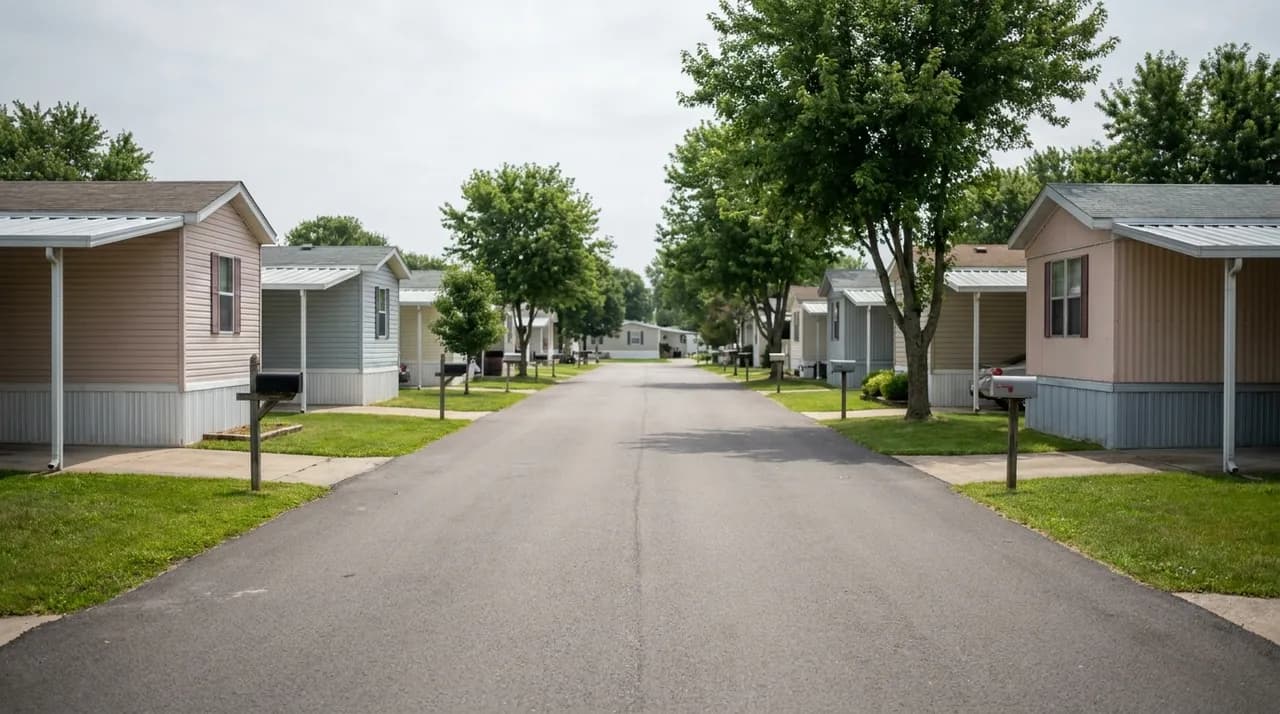
Someone died. You are dealing with that, and somewhere in the paperwork there is a manufactured home sitting on a rented lot, probably several hours away, probably full of forty years of belongings.
The thing nobody tells heirs is this: the estate process runs on a legal timeline measured in months, and the lot rent runs on a monthly timeline that does not care. From the day of death until the day the home is transferred or sold, rent accrues on that lot. Utilities accrue. Insurance may lapse. And the home sits empty, which is the condition in which manufactured homes deteriorate fastest.
The most common outcome we see is not a dispute or a legal tangle. It is an heir who did nothing for eight months out of grief and uncertainty, and then found that the accumulated lot rent had consumed whatever the home was worth.
You do not have to sell. You do have to decide, and deciding early is worth far more than deciding perfectly.
Here is what the first thirty days should look like.
Week one: stop the bleeding and find out what you have
Contact the community in writing, immediately. Introduce yourself, state the situation, give them an address and a phone number where you can be reached, and ask four questions: what is the current balance on the account, what is the monthly lot rent, what does the lease say about what happens on the death of a tenant, and what is their process for an heir selling the home.
Do this even if you have no idea yet whether you want the home. Communities deal with this situation regularly, and the ones that respond badly usually do so because nobody contacted them and the account simply went silent. A community that knows an estate is being handled and that someone is reachable is generally far more workable.
Get the answers in writing. Notes from a phone call with a manager who later leaves the job are worth very little.
Find out whether there is a will, and whether probate has started. If a family member has already engaged an attorney, get connected to them. If nobody has, you need to know whether the estate requires full probate or whether your state offers a simplified procedure. Many states have a small estate affidavit or summary administration process with a value threshold, and a manufactured home on a rented lot frequently falls under it. That can be the difference between a multi-month process and a several-week one, so it is a genuinely important question to ask early.
Order death certificates. More than you think you need. Every agency, every insurer, every titling office and the community will each want one, and several will want an original rather than a copy.
Check the insurance. Homeowners policies commonly restrict or exclude coverage once a home is vacant beyond a set period. Call the carrier, tell them the home is unoccupied, and ask what coverage remains and what the options are. An uninsured vacant home is the scenario in which one burst pipe erases the entire asset.
Secure the home physically. Change or rekey the locks. Confirm the doors and windows close and latch. In cold climates, either keep heat on or have the plumbing properly winterized, because a freeze in a manufactured home with an exposed underbelly can destroy the plumbing system in one night.
Week two: the documents
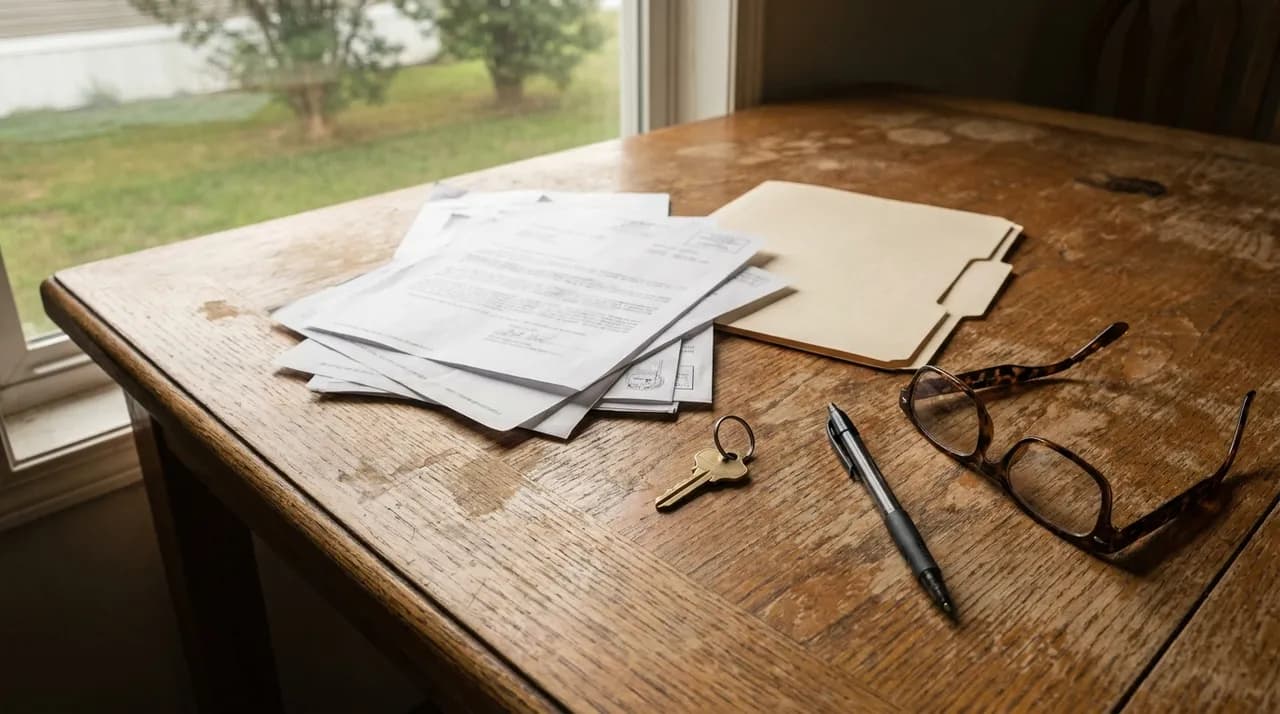
Find the title. This is the item most likely to become a problem, so start it first. If the home is titled as personal property, there is a title document with a name on it, and that name is almost certainly the deceased. If you cannot find it, begin the replacement process with your state's titling agency immediately, because it is slow and the estate will need it.
If you cannot tell whether the home is titled or has been converted to real estate, there are three straightforward checks that will tell you.
Check for liens. Pull the title and read the lien section. An unreleased security interest on a loan that was paid off years ago is the most common reason an inherited home cannot be transferred or sold, and tracking down a release from a lender that has since been acquired or dissolved takes weeks. Finding it now instead of in month five is worth real money.
Gather the identifying details. The VIN or serial number for each section, the HUD certification label numbers on the exterior, and the data plate if you can find it, usually inside a closet or cabinet door. Photograph all of it.
Pull the tax records. Find out whether the home is assessed as personal property or included in a real estate assessment, and whether anything is past due. Many states will not process a title transfer while taxes on the home are outstanding.
Look for the lease and the community rules. If they are not in the home, ask the community for copies.
Week three: an honest assessment
Now go see the home, or send someone who can.
You are trying to answer three questions:
What condition is it actually in? Roof, floor soundness underfoot, water stains on ceilings, whether the HVAC runs, plumbing leaks, and the state of the skirting and underbelly. Photograph everything, including the things that look bad. Especially those.
What would the community require at transfer? Many communities inspect at transfer and require repairs as a condition of approving a new tenant. Ask for that list in writing.
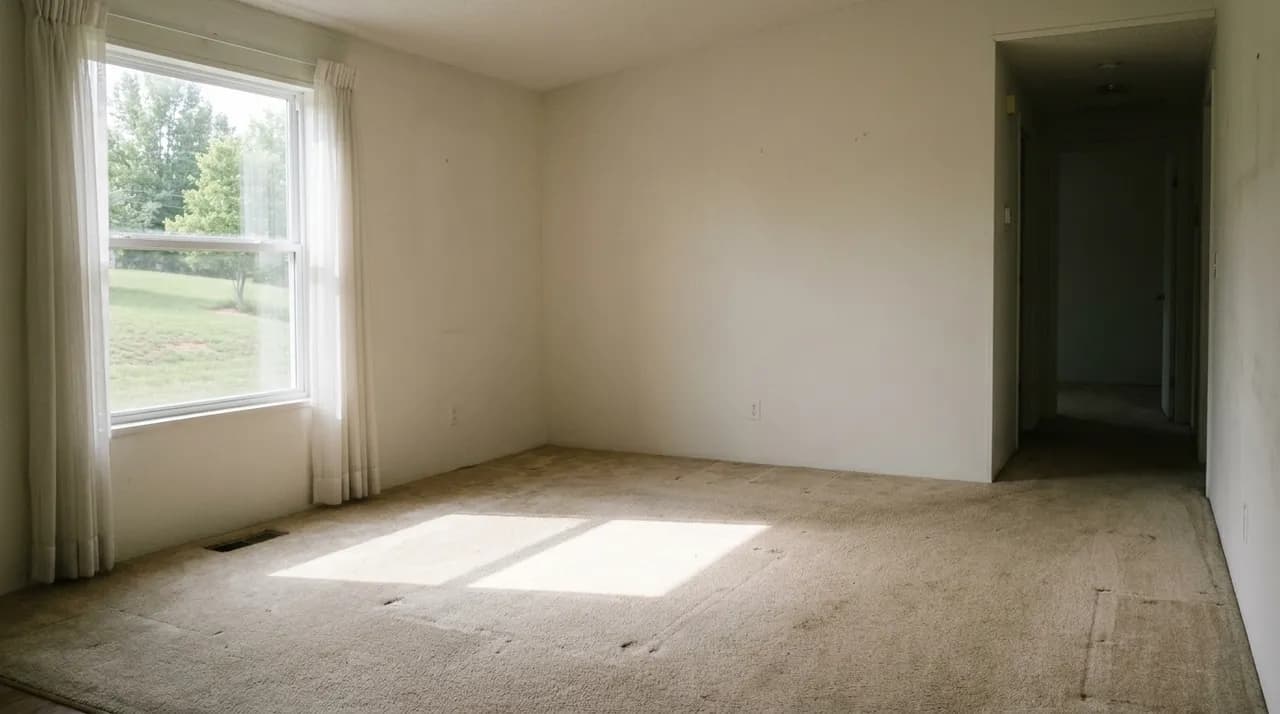
What is in it, and who wants any of it? The contents are frequently the largest emotional and logistical obstacle in an inherited home, and clearing them out takes longer and costs more than heirs expect, particularly at a distance. Deal with this as its own project with its own deadline.
Week four: decide the direction
There are four realistic paths, and the right one depends on facts you now have.
Keep it and live in it. You will need the community's approval as a tenant in your own right, which means passing their screening like any other applicant. In an age-restricted community, this may simply not be available to you if you are under the age threshold.
Keep it and rent it out. Only if the community permits subleasing, which many do not. Verify before planning on it.
Sell it. The community still has to approve your buyer as a tenant, so budget for that process. The estate generally needs authority to convey, which is why the probate question in week one matters so much.
Let it go. Occasionally a home has negative value: the arrears plus the required repairs exceed what anyone will pay. That happens, and it is better to identify it in month one than month ten. Talk to an attorney before abandoning anything, because in many states walking away does not end the estate's obligation.
Why the clock is the real enemy
Every month you spend deciding costs one month of lot rent, which comes out of whatever the home is worth. If the home is not worth much to begin with, that arithmetic runs out quickly, and the home crosses from asset to liability without anyone noticing the moment it happened. Once you are behind, the options narrow and the pressure changes shape.
So set yourself a decision date within the first thirty days. It does not have to be the final answer. It has to be a direction, with the rent stopped or accounted for.
We buy manufactured homes from estates and heirs, including homes that still have contents in them and homes with a balance owed to the community. We are used to coordinating with a personal representative and with community management, and we will tell you when we think the home is worth more listed than sold to us. If you want a straight read on where you stand, send us the details, or read about how we work first.
Probate procedure, small estate thresholds, the authority of a personal representative to convey, and what happens to a lot tenancy on the death of a tenant are all governed by state law and vary substantially. Nothing here is legal advice. Consult a licensed attorney in the state where the home is located before taking action on an estate.